Give Your Self-Hosted Hermes Agent the Power to Produce Video
Hermes runs on your own infrastructure and improves itself. Point it at Compledio over MCP and your private agent gains a full video pipeline while reaching out to exactly one endpoint, on your terms.
People run Hermes for one reason: control. It's open source, self-hosted, runs tools in parallel and improves over time. A normal video tool breaks that, you hand your raw material to someone else's app and manage another key. MCP doesn't. Point Hermes at Compledio and your agent stays self-hosted, reaching out to exactly one authenticated endpoint only when you tell it to.
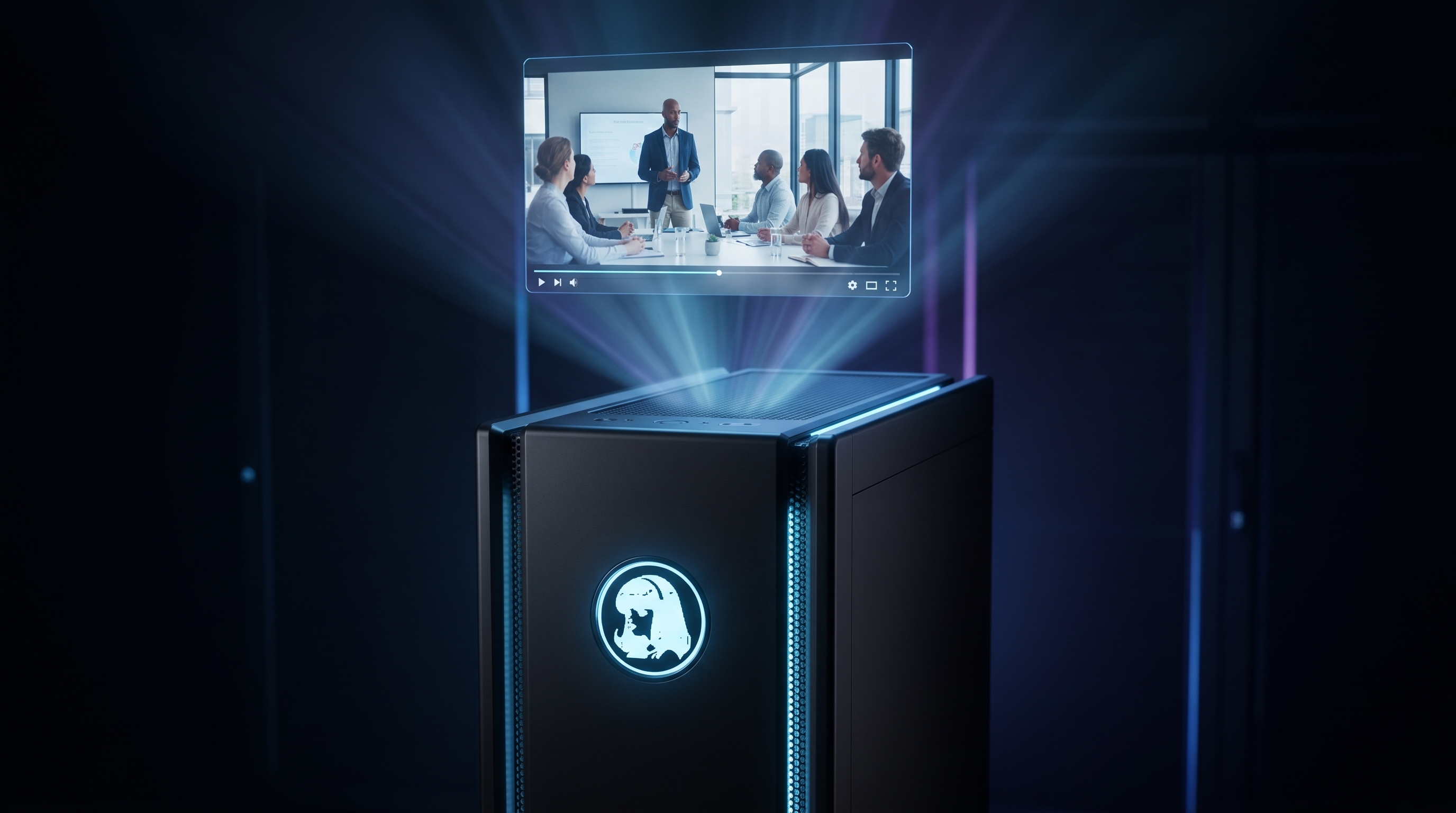
What ownership buys you
- Material that never leaves. For teams that can't push raw recordings through a third-party app, the agent stays in-house and only the generation step talks out.
- Parallel by default. Hand Hermes a stack of voiceovers and it spins the work up across its workers, then delegates and moves on.
- Autonomous routines. Fold video into a scheduled job and let it run as part of an operation you own end to end.
Connect it in your config
mcp_servers:
  compledio:
    url: https://mcp.compledio.com/api/mcp
Run /reload-mcp. The first time Hermes needs the tools, a browser opens for a one-click sign-in, no API key sits in your config, and it runs against your existing Compledio credits. That matters more this year than last: with MCP security now front of mind (the NSA published guidance on it in 2026), a self-hosted agent holding no long-lived keys and talking to one audience-bound endpoint is the posture you want. Then:
> take every file in ./voiceovers, add B-roll, and assemble a finished video for each
Hermes creates each project, uploads, and tracks it to completion, in parallel where it can. Single assets work the same way through the Studio tools: generate a 16:9 cinematic establishing shot of a quiet server room lit in blue. Ownership intact, video added. More on the protocol behind it in our MCP explainer.